



Fabricator: Dragon Pharma, Europe
Unit: 1 x vial
Strength: 50mg
If your order hasn’t arrived within 35 days after shipping, we’ll resend it for free.
Dragon Pharma AICAR 50 mg is a high-purity research reagent commonly used to study metabolic regulation, AMPK pathway activation, cellular energy sensing, and mitochondrial biogenesis in controlled laboratory settings.
AICAR (also known as ZMP or Acadesine) is an adenosine analog frequently used by researchers to activate AMP-activated protein kinase (AMPK), the master cellular energy sensor. By increasing intracellular ZMP levels, AICAR mimics low-energy states, prompting AMPK-driven metabolic changes that make it valuable for preclinical studies.
This compound is provided as a research-only lyophilized powder and is not intended for human, clinical, or veterinary use.
Activation of AMPK by AICAR triggers a coordinated metabolic response to restore cellular energy balance:
In controlled laboratory experiments, AICAR has been used as a metabolic probe to:
Depending on concentration, cell type, and exposure duration, researchers have documented:
These findings vary by experimental model and setup.
Form: Lyophilized powder
Please log in to write Aicar 50mg review.
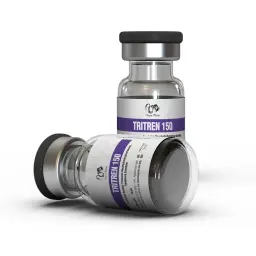
Fabricator: Dragon Pharma, Europe
Unit: 1 x 10 ml
Strength: 150 mg/ml
If your order hasn’t arrived within 35 days after shipping, we’ll resend it for free.
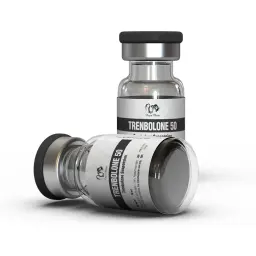
Fabricator: Dragon Pharma, Europe
Unit: 1 x 10 ml
Strength: 50 mg/ml
If your order hasn’t arrived within 35 days after shipping, we’ll resend it for free.
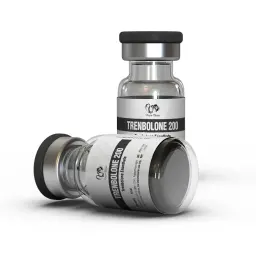
Fabricator: Dragon Pharma, Europe
Unit: 1 x 10 ml
Strength: 200 mg/ml
If your order hasn’t arrived within 35 days after shipping, we’ll resend it for free.
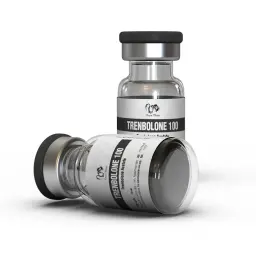
Fabricator: Dragon Pharma, Europe
Unit: 1 x 10 ml
Strength: 100 mg/ml
If your order hasn’t arrived within 35 days after shipping, we’ll resend it for free.
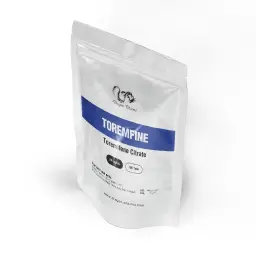
Fabricator: Dragon Pharma, Europe
Unit: 1 x 100 tabs
Strength: 20 mg/tab
If your order hasn’t arrived within 35 days after shipping, we’ll resend it for free.
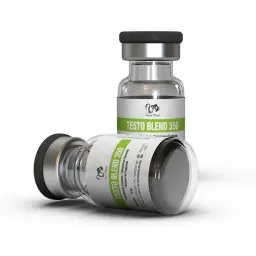
Fabricator: Dragon Pharma, Europe
Unit: 1 x 10 ml
Strength: 350 mg/ml
If your order hasn’t arrived within 35 days after shipping, we’ll resend it for free.
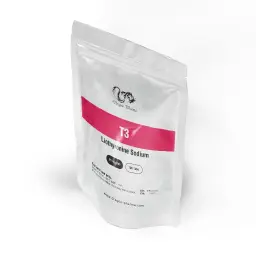
Fabricator: Dragon Pharma, Europe
Unit: 1 x 100 tabs
Strength: 25 mcg/tab
If your order hasn’t arrived within 35 days after shipping, we’ll resend it for free.
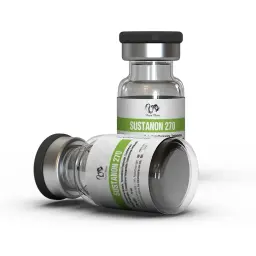
Fabricator: Dragon Pharma, Europe
Unit: 1 x 10 ml
Strength: 270 mg/ml
If your order hasn’t arrived within 35 days after shipping, we’ll resend it for free.