


PEPTIDE DOSE
- -
DRAW SYRINGE TO
- -

/mg
/mg
determines peptide concentration
/mL
Common Amounts
GLP-1s: 2mL to 3mL
Peptides: 3mL
PEPTIDE DOSE
DRAW SYRINGE TO

YOUR VIAL CONTAINS
CONCENTRATION
Alright, in this post I'm going to break down how to properly reconstitute your peptides. And I'm going to explain this in the most simple way possible as a resource for myself. Because the number of times I've had to try to explain this and people don't get it, it's actually starting to bother me.
Most insulin needles have one milliliter.
On the insulin needle, there are marks for 10, 20, 30, 40, 50.
On one side: ML / CC — 1 milliliter
On the other side: 100 units
Meaning:
100 units = 1 milliliter
This is a measurement of volume.
Larger syringe (used to mix water) → measured in milliliters
Insulin syringes → measured in units
Reason: Units allow more accurate dosing.
Bigger syringe = less accurate
Smaller syringe = more accurate
You can also get 0.5 mL or 0.33 mL insulin syringes
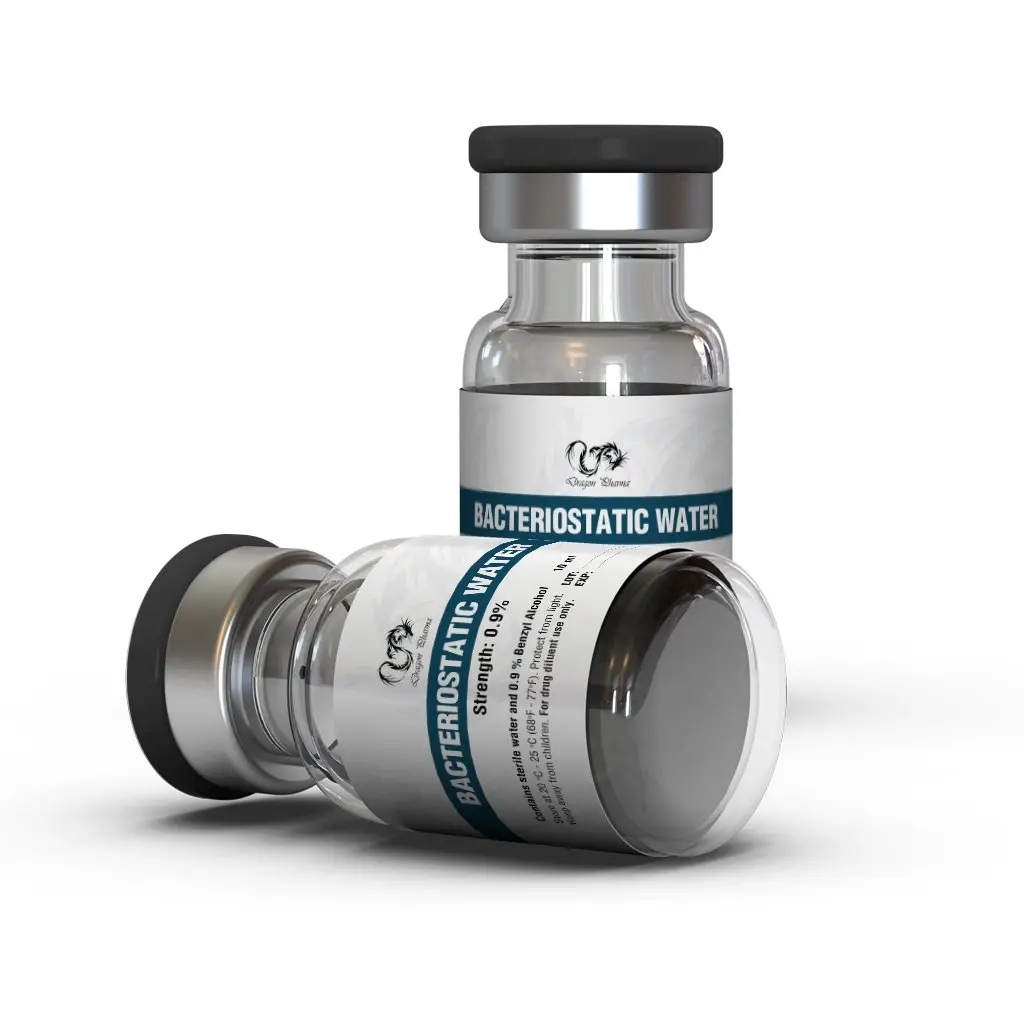
BAC water vial is 10 milliliters (AKA 1,000 units)
Again, just a measurement of volume.
Some peptides are dosed in micrograms, others in milligrams.
Metric system rules apply:
1 milligram = 1,000 micrograms
Example:
A 20 mg vial of a peptide = 20,000 micrograms.
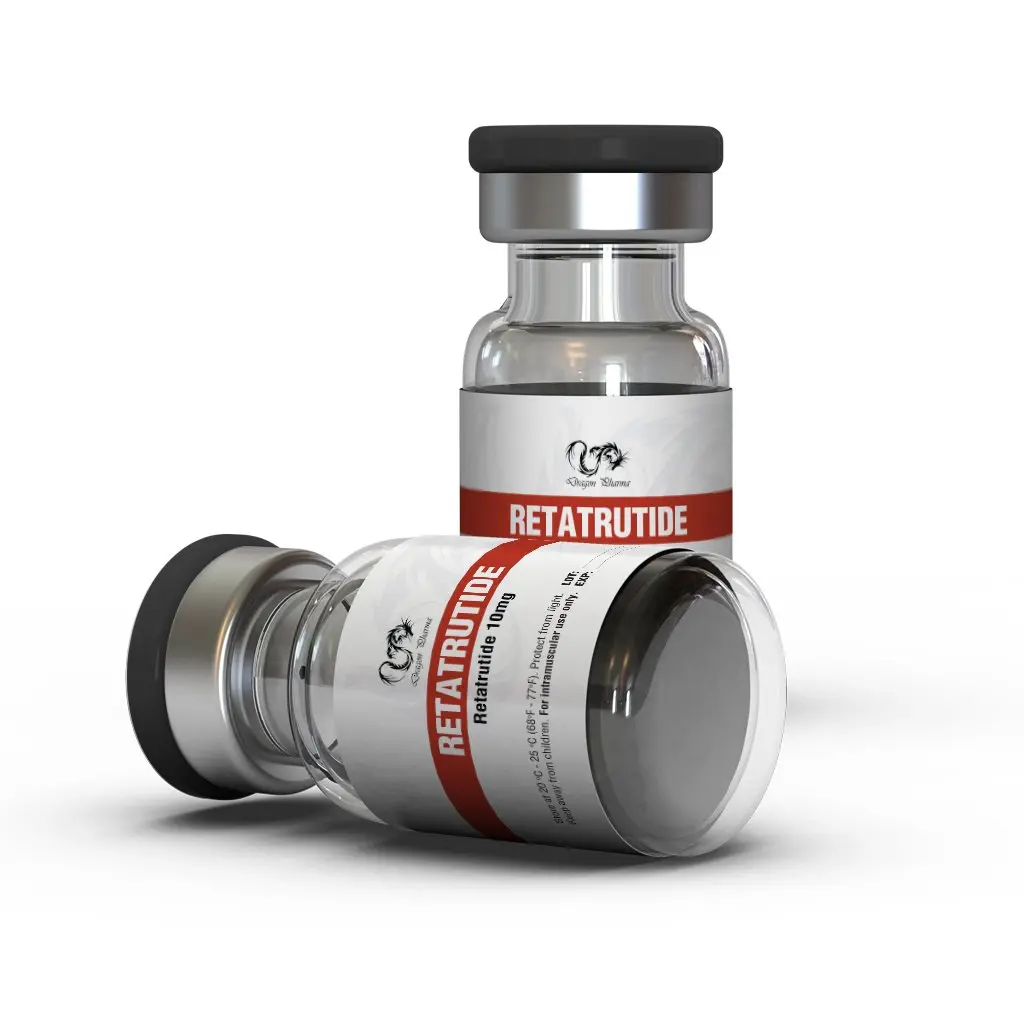
This is your peptide.
Inside is a freeze-dried (lyophilized) powder.
To use it, you must reconstitute it using BAC water.
Once combined → this forms a solution.
Determined by how much water you add.
Concentration determines how many units you must draw for the desired dose.
1 mL contains the full 20 mg
If you need 2 mg, that's 1/10th of the solution
1/10th of 1 mL = 10 units
Therefore: 2 mg dose = 10 units
Less water → more concentrated
Can cause injection irritation
Requires more precise drawing
More water → less concentrated
More comfortable, more forgiving for dosing errors
1 mL contains 5 mg
100 units ÷ 5 = 20 units
1 mg dose = 20 units
Now: 2.5 mg per mL
For 1 mg: draw 40 units
Math is the same as above.
1 mL = 24 IU
Half mL = 12 IU
Quarter mL = 6 IU
Now: 12 IU per mL
100 units = 12 IU
For 2 IU, divide 100 by 6
100 ÷ 6 ≈ 16.6 units
Round to 17 units
When someone says their dose is "X units," that tells us nothing.
To calculate a real dose, you must know:
How many milligrams / IUs were in the vial
How much water was added
Only then can you determine:
What concentration the solution is
How many units equal the desired dose