


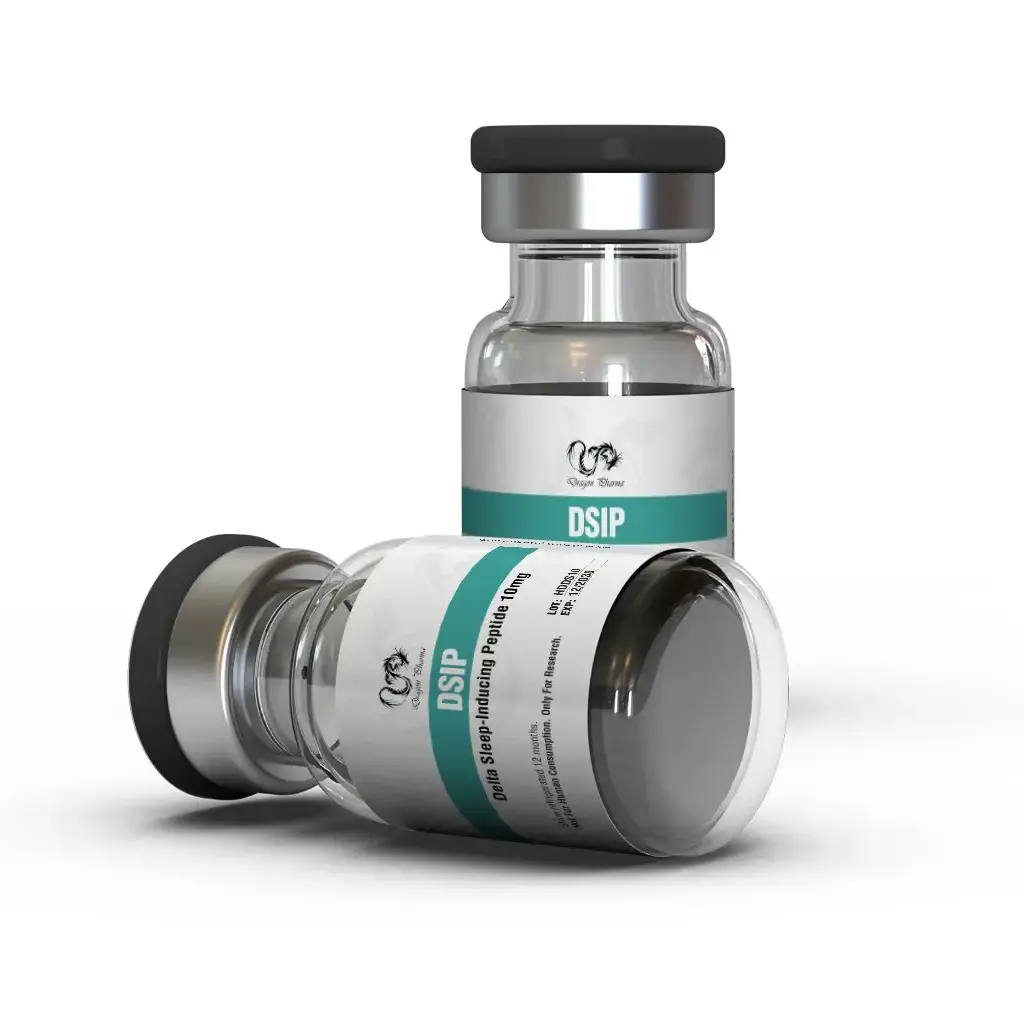
Fabricator: Dragon Pharma, Europe
Unit: 1 x vial
Strength: 10 mg
If your order hasn’t arrived within 35 days after shipping, we’ll resend it for free.
Delta Sleep-Inducing Peptide (DSIP) is a naturally occurring neuropeptide discovered in the early 1970s by Swiss scientists investigating the mechanisms behind sleep. It was first extracted from the bloodstream of rabbits that had been placed into deep, slow-wave (delta) sleep, hence the origin of its name.
Although its mechanisms are not yet fully defined, the discovery of DSIP introduced the idea that peptides may play a meaningful role in shaping sleep quality and overall recovery.
Although the full picture of how DSIP works is still unfolding, current research shows that it interacts with several major systems involved in sleep, stress regulation, and hormonal balance. Instead of functioning like a traditional sedative, DSIP seems to help restore the body's natural rhythm of rest and recovery.
In essence, DSIP isn't designed to force sleep like pharmacological sedatives. Instead, it appears to fine-tune the body's natural sleep architecture while supporting the systems that drive recovery, resilience, and overall health.
Its influence appears to support rest, recovery, stress management, and overall performance.
Enhanced deep sleep: DSIP is most frequently associated with boosting slow-wave (delta) sleep—the stage responsible for physical restoration, memory processing, and hormonal balance.
Fewer nighttime interruptions: Many individuals report more consistent, uninterrupted sleep, resulting in smoother, more complete sleep cycles.
Improved recovery: By deepening sleep, DSIP may indirectly promote muscle repair, tissue regeneration, and general athletic recovery.
Pain reduction: Early evidence hints that DSIP could offer mild analgesic effects, potentially easing pain through its influence on the nervous system and stress pathways.
Immune support: Since deep, restorative sleep is crucial for immune function, DSIP's impact on sleep quality may indirectly bolster the body's defenses.
Longevity appeal: Because it may support sleep, stress control, and hormonal balance, DSIP has gained attention in wellness and anti-aging circles.
Cortisol regulation: DSIP may help stabilize elevated cortisol levels, making it potentially valuable for those experiencing chronic stress, burnout, or heavy training loads.
Support for growth hormone: Some findings suggest that DSIP may influence GH release, which is essential for recovery, fat metabolism, and maintaining lean body mass.
Mood and cognitive benefits: Better sleep combined with improved stress regulation may contribute to enhanced mood, sharper focus, and greater mental clarity.
Common Research Practices
Optimal timing: Researchers often schedule administration in the evening, roughly 30–60 minutes before sleep, to coincide with natural circadian rhythms.
Experimental dosage range: Reported research amounts vary, but most anecdotal protocols fall somewhere between 100 mcg and 500 mcg per administration.
Method of administration: In research settings, DSIP is most commonly introduced via subcutaneous injection, a route shared with many other peptides.
Patterns of Use
Short-term cycles: Others prefer brief usage windows—commonly 2 to 4 weeks—to minimize potential adaptation or reduced effectiveness.
Limited long-term data: Since extended, continuous use has not been well studied, prolonged daily administration should be approached conservatively in research contexts.
DSIP is still considered an experimental compound, so its full safety profile hasn't been clearly established. Most of the available information comes from small studies and personal accounts from individuals who have experimented with it. While many people seem to tolerate DSIP without major issues, there are still several uncertainties and possible reactions to be aware of.
Some individuals notice that they feel unusually tired the next day, especially if the dose was higher than needed or taken too late at night. A few people report headaches or a sense of light-headedness, which may be related to DSIP's influence on neurotransmitter activity. Because the peptide may interact with hormones like LH and GH, it could contribute to subtle hormonal shifts, although clear data is lacking. There are also occasional mentions of mild digestive discomfort, such as nausea or a queasy stomach.
DSIP is short for Delta Sleep-Inducing Peptide. The name comes from its original discovery in animals that were entering deep, slow-wave (delta) sleep during early research.
Not really. Melatonin acts as a timing signal that regulates when you fall asleep. DSIP is believed to influence how deeply you sleep and how restorative that sleep is. The two work through different biological systems, so their effects are not identical.
Some early observations suggest that deeper slow-wave sleep may support muscle repair, growth hormone release, and overall recovery. DSIP's potential influence in this area is still being explored, so any athletic benefits remain theoretical.
In experimental contexts, DSIP is sometimes paired with melatonin, magnesium, or compounds affecting GABA activity. However, combining multiple sleep-related substances may increase drowsiness, so such combinations are approached cautiously in research settings.
Effects is quickly, sometimes after the first use. Users mention falling asleep faster or experiencing deeper, more continuous sleep. Improvements like morning alertness or better recovery are often said to appear after several days of consistent use.
Because long-term safety data is limited, there is no definitive answer. Some experimental users claim that nightly use may lead to diminishing effects, which is why rotating schedules or short cycles are often discussed in peptide communities.
Please log in to write DSIP 10mg review.
Fabricator: Dragon Pharma, Europe
Unit: 1 x 10 ml
Strength: 150 mg/ml
If your order hasn’t arrived within 35 days after shipping, we’ll resend it for free.
Fabricator: Dragon Pharma, Europe
Unit: 1 x 10 ml
Strength: 50 mg/ml
If your order hasn’t arrived within 35 days after shipping, we’ll resend it for free.
Fabricator: Dragon Pharma, Europe
Unit: 1 x 10 ml
Strength: 200 mg/ml
If your order hasn’t arrived within 35 days after shipping, we’ll resend it for free.
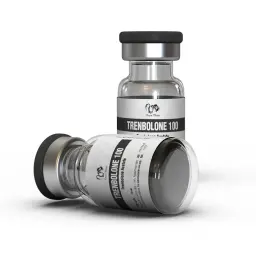
Fabricator: Dragon Pharma, Europe
Unit: 1 x 10 ml
Strength: 100 mg/ml
If your order hasn’t arrived within 35 days after shipping, we’ll resend it for free.
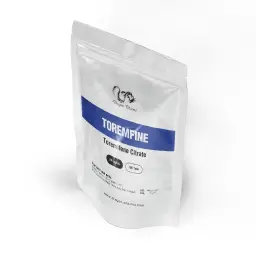
Fabricator: Dragon Pharma, Europe
Unit: 1 x 100 tabs
Strength: 20 mg/tab
If your order hasn’t arrived within 35 days after shipping, we’ll resend it for free.